
The cost of a fire alarm system depends on the building: its size and use, the number of detectors, the cable routes, the existing installation and the evidence required. A reliable quotation is therefore only possible after a site survey.
- Inspection
- every quarter
- Maintenance
- once a year
- Detector replacement
- after 5 or 8 years
- Quotation
- after a site survey
Which factors determine the cost?
The size and use of the building and the required scope of protection have the greatest influence. They determine how many detectors, sounders and cables are needed.
- Floor area, storeys and room layout, including ceiling voids and raised floors
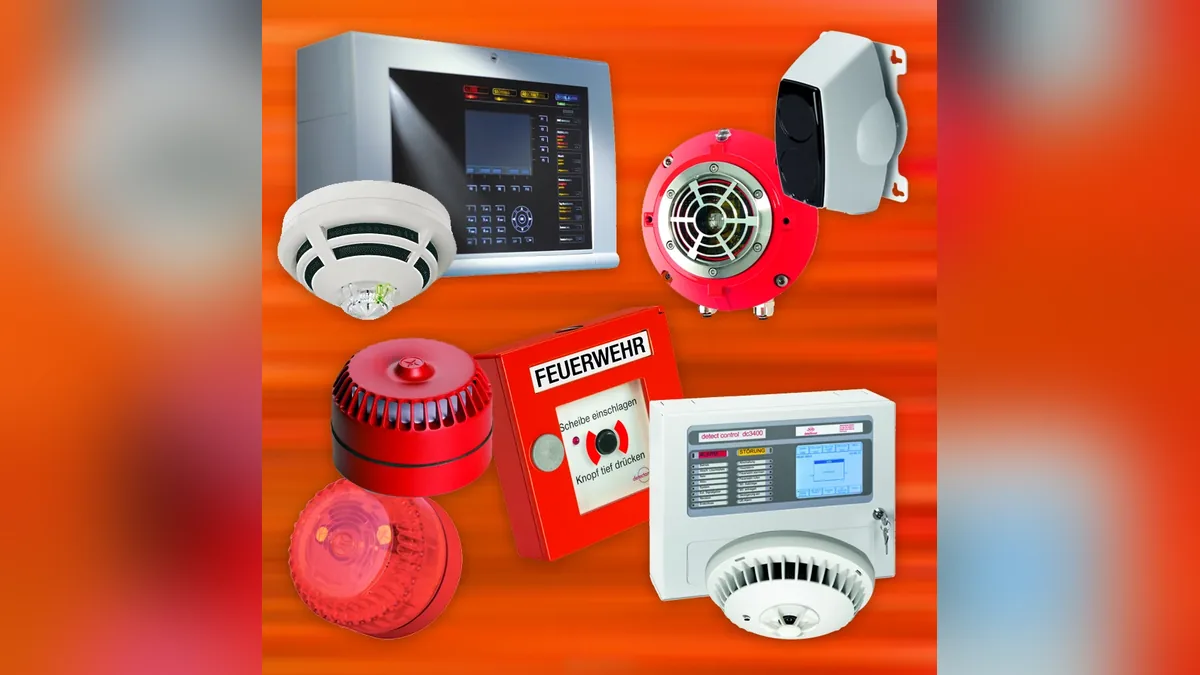
- Number and type of detectors, for example point-type smoke detectors or special detectors for high halls and dusty areas
- Cable routes and the requirements for fire-protected installation
- Type of alarm: sounders or voice alarm
- Connection to the fire brigade with key depot, control panel and route cards
- Control of other systems such as doors, lifts, ventilation or extinguishing systems
Why does the existing installation make a difference?
In existing buildings, cables and components can sometimes be reused. This has to be checked before the quotation. The age and condition of the control panel, the availability of spare parts and the existing documentation are decisive.
If the work takes place during normal operation, the engineers proceed in sections. The old system stays in operation until the new section has been taken over. This increases the effort compared with a new building.
Which rules apply to planning and evidence?
Whether a fire alarm system is required, and to what extent, follows from the state building code, the regulations for special buildings and the building permit. This differs from one German federal state to another. Planning is generally based on the fire protection concept. The insurer may also set requirements.
DIN 14675 governs planning, design, installation, commissioning, acceptance and maintenance. Specialist companies need certification to DIN 14675 for these phases. Depending on the conditions imposed, an inspection by authorised inspectors is added. This article gives an overview and is no substitute for legal advice.
How does a project proceed?
A project begins with the site survey and ends with acceptance and instruction. These steps lie in between:
- Site survey and clarification of the conditions from the building permit, fire protection concept and insurer
- Concept and planning with detector layout and cable routes
- Quotation covering materials, installation, commissioning and documentation
- Installation and commissioning, in sections in existing buildings
- Acceptance, instruction of the responsible persons and handover of the documents
Which running costs are added?
After installation, there are costs for upkeep. Inspection is due every quarter and maintenance once a year, each by a specialist company. Automatic point-type smoke detectors without contamination compensation are replaced or checked at the factory after 5 years, detectors with contamination compensation after 8 years.
Added to this are fees for alarm transmission to the fire brigade and the replacement of batteries. Plan for these items from the start. RUTTE is certified to DIN 14675 and prepares quotations after a survey on site.