
Video surveillance in a business starts with the purpose of each camera, not with the device. The cost depends on the number of cameras, cable routes, storage and evaluation. A quotation is prepared after a site survey.
Where does planning start?
Planning starts with the question of what each camera is meant to achieve. An overview of the yard sets different requirements from recognising a person at the door. Define the aim for every area.
Next come the lighting conditions by day and night, possible mounting locations and the question of who views the images. A system that is only evaluated after an incident is built differently from a system with a control room.
Which factors determine the cost?
The cost results from the number of cameras and from the effort for installation, network and storage. In detail, the following count:
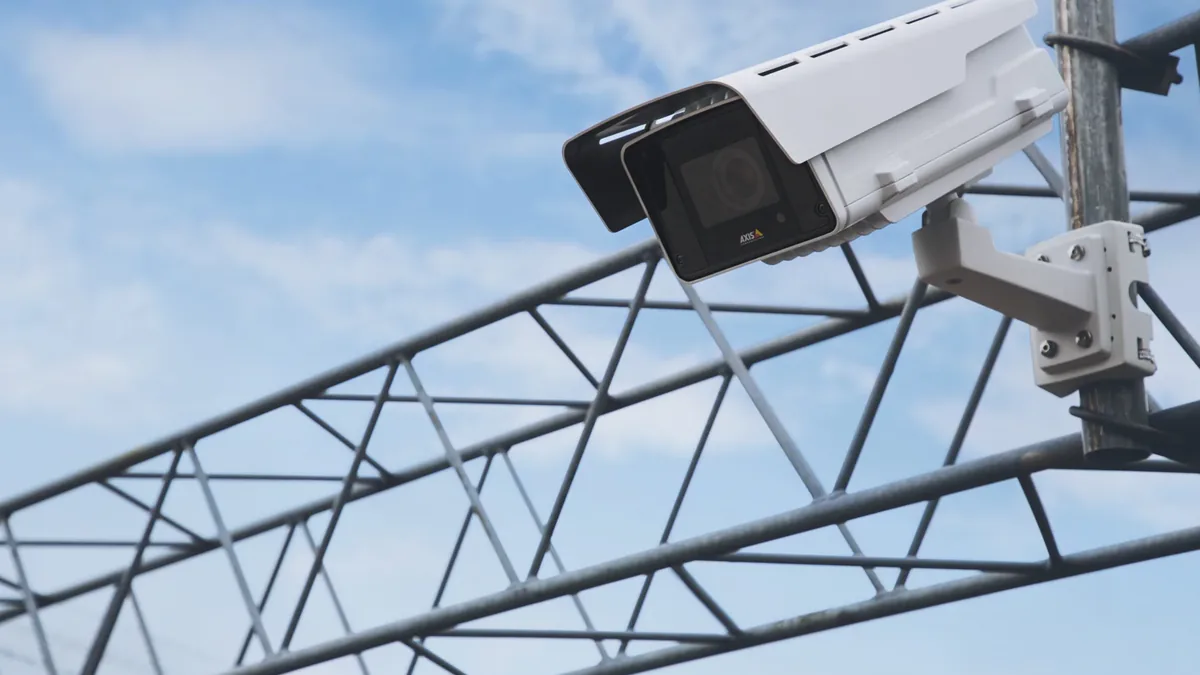
- Number and type of cameras, for example fixed cameras, pan-tilt cameras or thermal cameras
- Mounting locations: façade, pole or hall ceiling, with an aerial work platform where needed
- Cable routes, network and power supply, outdoors also groundworks by partners
- Storage, depending on resolution, frame rate and retention period
- Software, licences and video analytics
- Integration with the intruder alarm system, access control or control room
- Maintenance and software upkeep during operation
What does data protection require?
Data protection requires a defined purpose for every camera and a balancing against the interests of the persons affected. This includes signage, regulated access rights and a deletion concept.
The GDPR does not name a fixed retention period. The German data protection supervisory authorities generally consider up to 72 hours appropriate. Longer storage needs a justification. Involve the data protection officer and, where one exists, the works council at an early stage. This article gives an overview and is no substitute for legal advice.
Which mistakes occur frequently?
Most mistakes arise when cameras are placed without a clear aim. Typical examples are:
- a field of view that is too wide, in which persons cannot be recognised
- backlighting by day and missing lighting at night
- public areas or neighbouring properties in the picture
- storage that is too small or a retention period without justification
- an unsecured network with default passwords
- missing maintenance: dirty domes, misaligned cameras, outdated software
How does a project proceed?
A project starts with a site survey at which aims, camera locations and cable routes are defined. This results in a camera plan and the quotation. Installation and commissioning are followed by instruction and the handover of the documentation.
During operation, a regular visual check and maintenance in line with manufacturer specifications keep the image quality stable. RUTTE is a VdS-approved specialist installer, including for video surveillance, and plans systems after a survey on site.