
Systems
Drone detection
Detect, locate and document drones early.
Drones fly over any fence. We plan and install systems that detect drones early, locate drone and pilot, record every sighting and alert your control room. Countermeasures remain a task for the authorities.
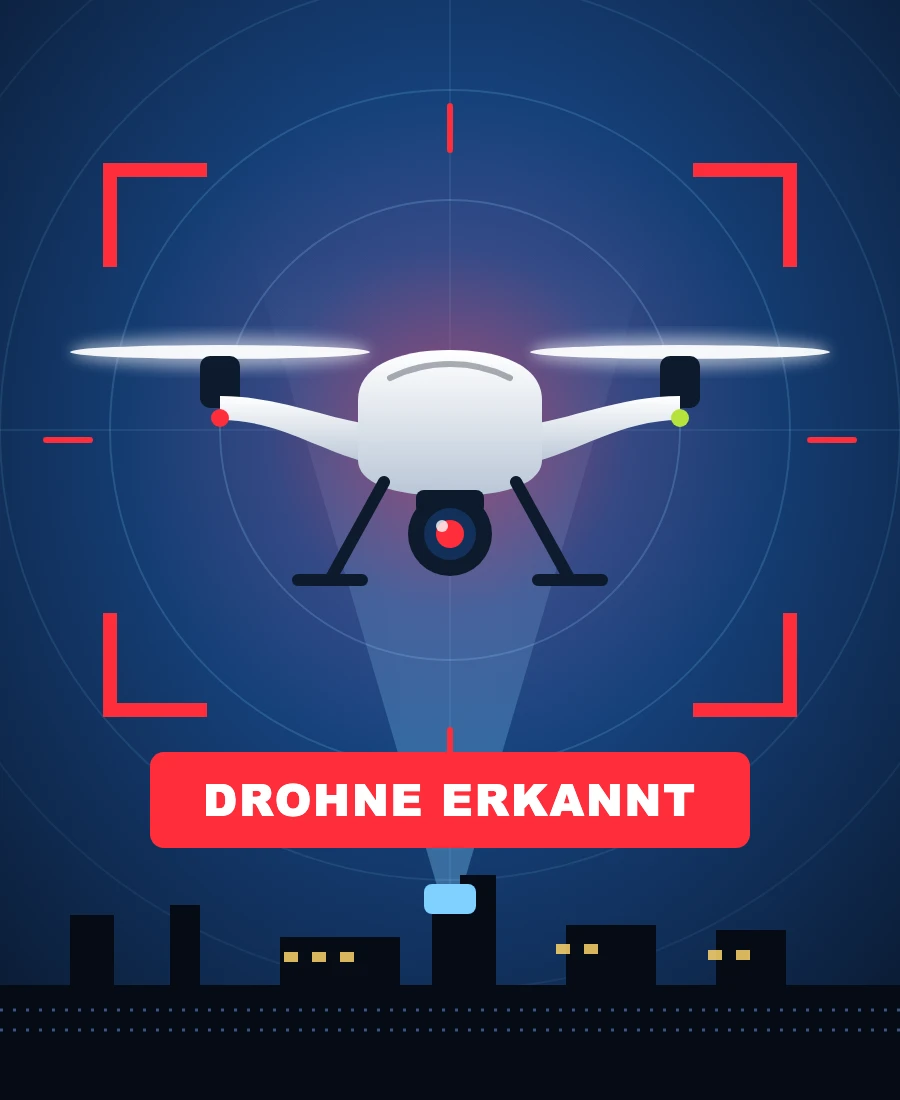
- Detection before take-offRadio sensors notice many drones as soon as the remote control is switched on.
- Locate drone and pilotThe site plan shows the flight path and, where possible, the pilot's location.
- Securing evidenceFlight path, time and video image are recorded and can be handed to the police.
- Legally soundWe plan detection and alerting, not jammers.
At a glance
- Service
- Drone detection: Detect, locate and document drones early.
- For whom
- Operators of critical infrastructure, industry and chemical parks, airports and air cargo, prisons and Bundeswehr properties
- Service area
- Saxony-Anhalt, Saxony and Thuringia, with a focus on Halle and Leipzig; across Germany through the Sesenet35 installer network
- Standards and qualifications
- LuftVO § 21h, TKG § 91
- Manufacturers
- Dedrone, Securiton
- Support
- Planning, installation and maintenance from a single source; service hotline around the clock
- Enquiries
- +49 34602 4080-20, projektierung@rutte.de
Why drones are a security issue
Drones are cheap, quiet and available everywhere. They fly over any fence, film premises and processes and can drop objects. In February 2026 the German Bundestag noted a marked increase in illegal drones over critical infrastructure; industrial plants and research sites were increasingly the target of reconnaissance and sabotage.
The domestic intelligence service names military sites, business parks and industrial plants, sites of security authorities and critical infrastructure as particularly at risk.
Figures from official sources
- 225 disruptions of air traffic by drones in 2025, after 161 in 2024 (German air navigation service provider DFS)
- 116 relevant incidents at 25 commercial airports in 2025, around 200 diverted flights (German Aerospace Center DLR)
- At least 60 million euros in direct costs from these incidents (DLR)
- The authorities do not publish figures on sightings over industry and critical infrastructure.
How drone detection works
No single sensor detects every drone. Detection only becomes reliable when several methods work together. The German Federal Government also speaks of a technology-neutral approach in which different capabilities interact.
Which sensors are needed depends on the site: its size, the buildings, the radio environment and how early a warning is required.
Radio-frequency sensors
- Receive the radio link between drone and remote control and transmit nothing themselves
- Often detect a drone as soon as it is switched on, before take-off
- Can provide the pilot's location as well as the drone's
- Limit: unknown, modified or radio-silent drones may go undetected
Radar
- Also detects drones flying a programmed route without a radio link
- Works regardless of light and weather and provides altitude
- Needs line of sight and, as a rule, a frequency assignment from the Federal Network Agency
Cameras
- Pan-tilt day and thermal cameras confirm the alarm visually
- Show whether the drone is carrying something and track it automatically
- Provide the recording for police and insurers
Remote identification (Remote ID)
- Since 1 January 2024 many drones have had to broadcast their identity and position, in the open category classes C1, C2, C3, C5 and C6
- Detection systems read these data and can clear known, authorised drones
- It is not enough as sole protection: anyone with bad intentions switches the identification off
From alarm to response: integration into the control room
A drone alert is only useful if someone sees it and knows what to do. We therefore bring detection together with your existing security technology: the alert appears on the site plan, the nearest camera turns to the target and staff follow a defined procedure.
Every sighting is recorded with flight path, time and video image. This is the basis for reporting to the police and for analysing whether a site is being reconnoitred repeatedly.
What integration delivers
- Alarm in the security control room or on the duty phone
- Protection zones with their own rules, for example for storage, apron or cell blocks
- Clearance of your own or registered drones
- Complete recording as evidence
What operators may and may not do
The Initiative for Economic Protection, in which the Federal Ministry of the Interior, security authorities and business associations cooperate, published guidance for companies in March 2026. It expressly recommends installing detection systems suited to the facility. Data protection and, for active radio sensors, the requirements of the Federal Network Agency must be observed.
The limit is just as clear: no active countermeasures such as jamming, taking over or destroying without express statutory authority. Jammers may neither be operated nor sold in Europe because they can disrupt mobile networks and emergency calls. Countering drones is a matter for the police, at airports and railway facilities for the Federal Police; the Bundeswehr can provide administrative assistance.
The Federal Government is currently examining how operators of critical infrastructure can be involved in countermeasures with legal certainty. There is no legal basis for this yet.
We plan detection, localisation, documentation and alerting only. We do not offer jammers or other countermeasures.
Guide: drone detection and data protectionWhere drones may not fly
German air traffic regulations protect many sites through distance rules. Without the operator's consent, flying there is a regulatory offence punishable by a fine of up to 50,000 euros. Detection is what makes such violations visible and provable in the first place.
A distance of 100 metres applies to, among others
- Industrial plants
- Prisons and forensic psychiatric institutions
- Military installations
- Facilities for central power generation and distribution
- Properties of police and security authorities
- Hospitals
At airports
- 1,000 metres lateral distance from the airport boundary
- Additionally protected areas in the extension of the runways
- At the major airports the air navigation service provider operates its own detection systems; countermeasures rest with the Federal Police
What to do when a drone is sighted
The guidance of the Initiative for Economic Protection and the domestic intelligence service give the same recommendation: the first point of contact is the local police station, in an emergency the 110 emergency number.
Recommended procedure
- Report the sighting to the local police without delay
- Record time, place, altitude, direction of flight and appearance
- Secure photos, videos and sensor data with timestamps, leave original files unchanged
- Do not touch crashed drones
- Define a response plan with responsibilities and reporting channels in advance
Dedrone: detection and localisation by radio
For drone detection we plan with the systems of two manufacturers. Which one fits depends on the site, the protection goal and the existing technology.
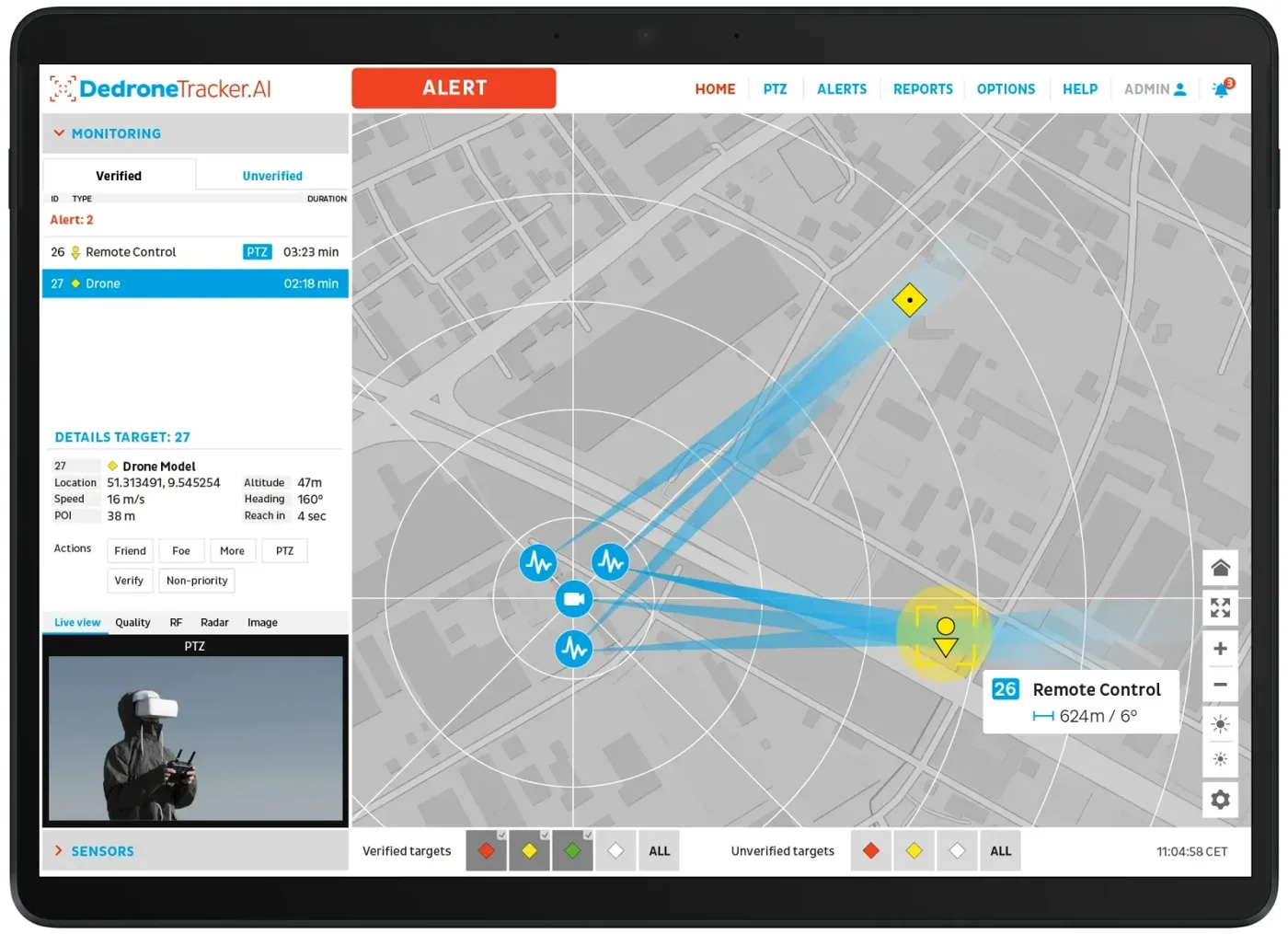
Dedrone has been part of the US company Axon since October 2024 and has its German subsidiary in Kassel. The core of the system is the DedroneTracker.AI software, which merges the data from radio sensors, radar and cameras into one situation picture. As a German reference the manufacturer names Halle prison.
Features according to the manufacturer
- DedroneSensor RF-160 and RF-360 radio sensors, passive and without emissions of their own
- RF-360 takes bearings on drone and remote control, range up to 5 kilometres
- Localisation of drone and pilot on the map, tracking of several drones
- Evaluation of Remote ID, clearance of known drones
- Radar and pan-tilt cameras can be connected, including from Axis
- Recording with manufacturer, model, time, flight path and video image, plus automatic reports
Dedrone at a glance
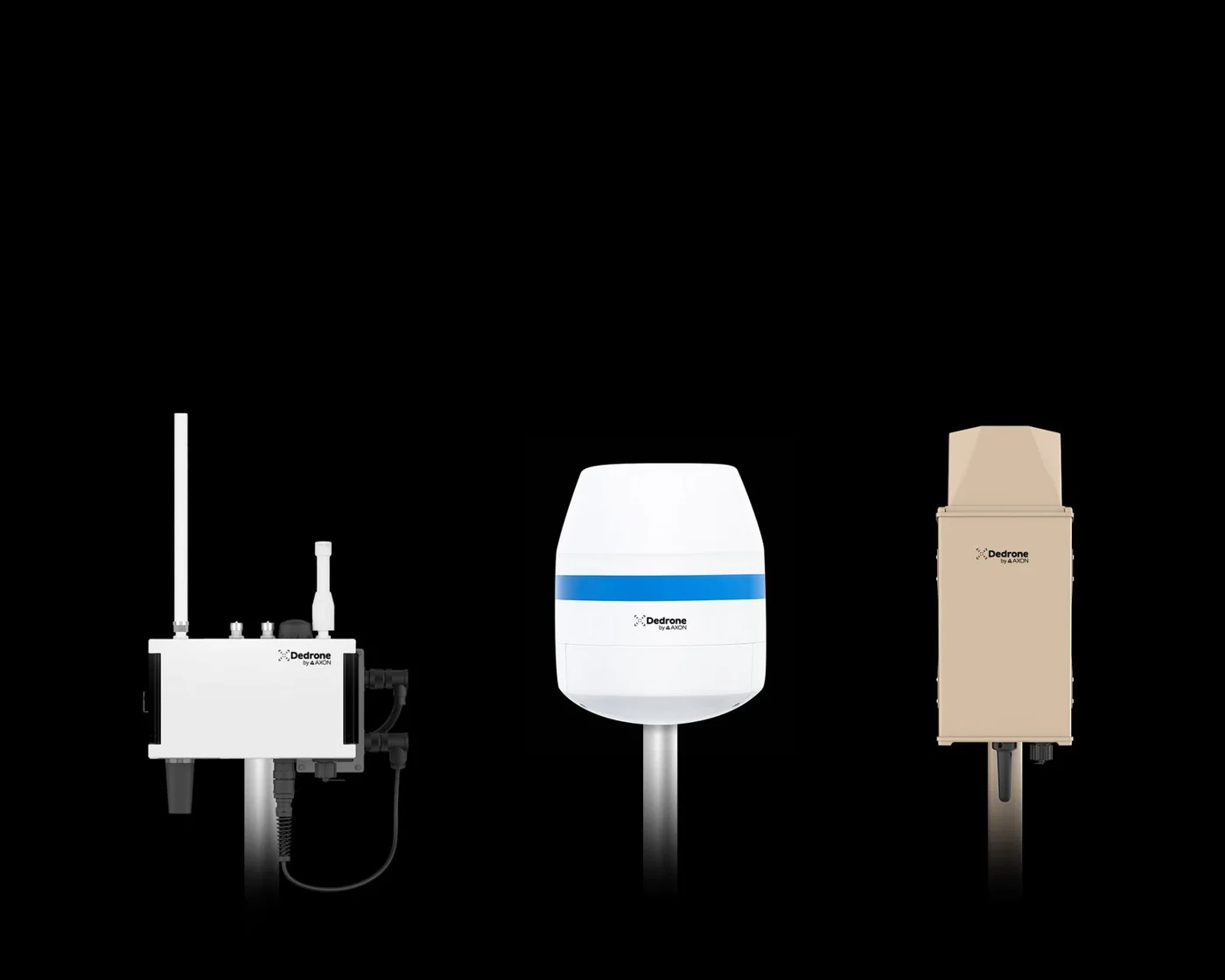
Radio sensors
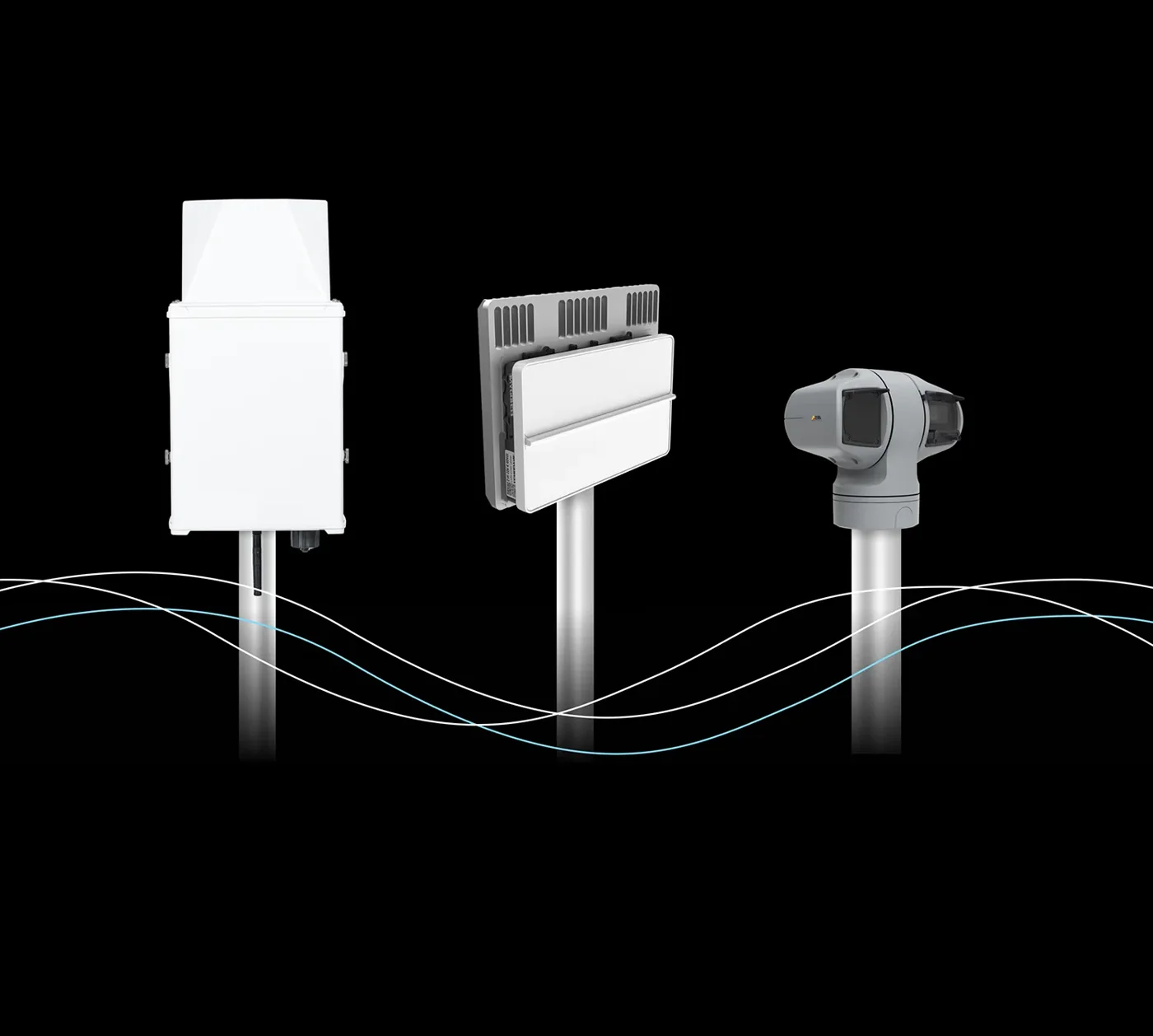
Radio, radar and camera combined
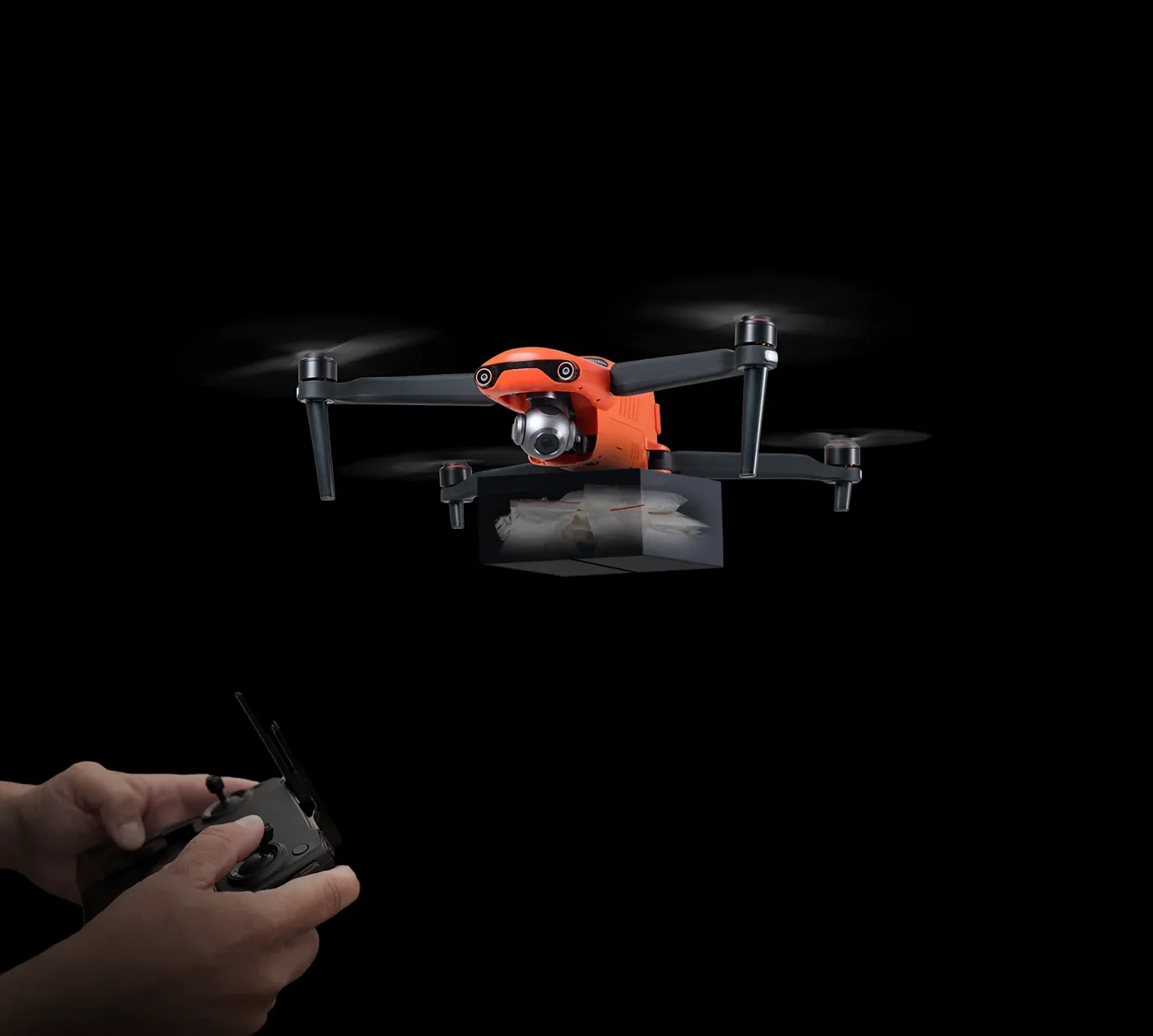
Locating drone and pilot
Dedrone also offers a jammer. In Germany it is reserved for the authorities and is not part of our planning.
Securiton: SecuriDrone with its own control centre
Securiton Deutschland, based in Achern, is part of the Securitas Group Switzerland. Under the name SecuriDrone the company offers building blocks for drone security: radio sensors, radar, cameras with image analysis and its own management system as the control centre.
The system is available as a fixed installation, on a trailer and as a portable version. A permanent site can thus be protected just as well as an event or a temporary construction site.
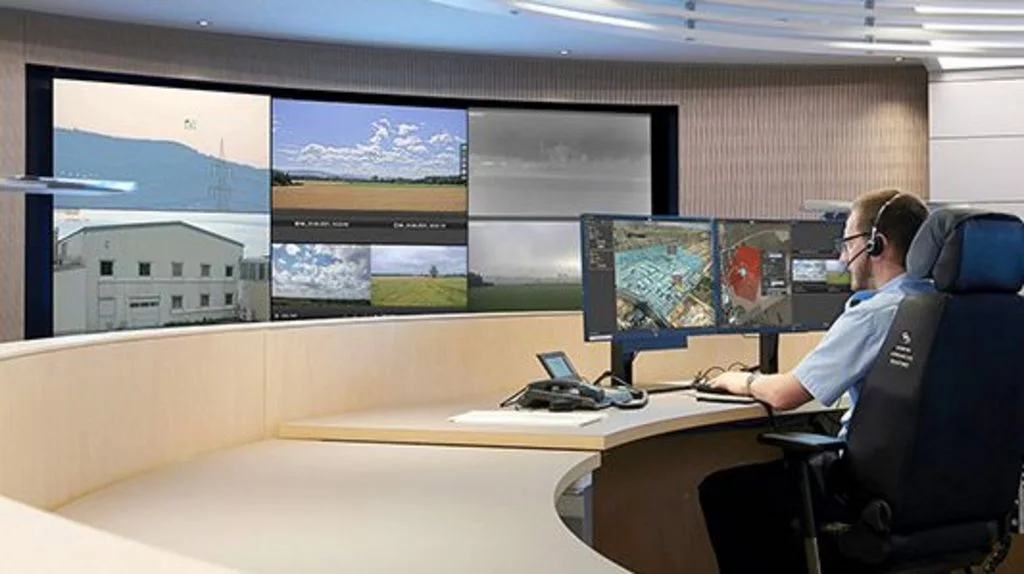
Features according to the manufacturer
- SecuriDrone Perimeter Management System: 3D site plan with position of drone and pilot, flight path, altitude and type
- Pan-tilt cameras follow the drone automatically
- 3D protection zones with their own workflows
- Round-the-clock recording, flight path and video are played back together
- SecuriDrone Fortress for fixed sites, Fortress Go on a trailer, Companion as a portable device with a range of up to 2 kilometres with line of sight
- Existing systems can be connected
SecuriDrone at a glance
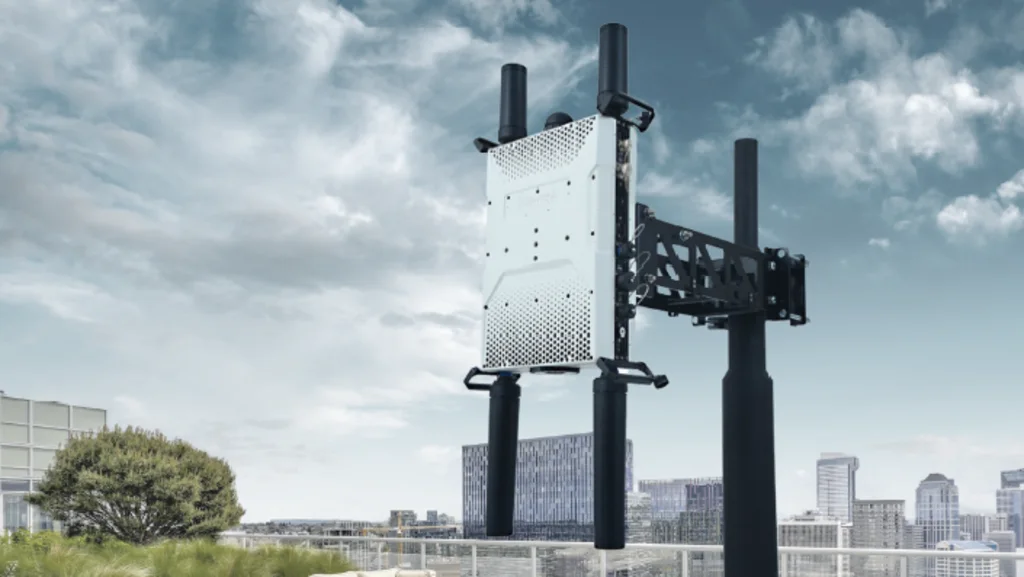
Radio sensor on a mast
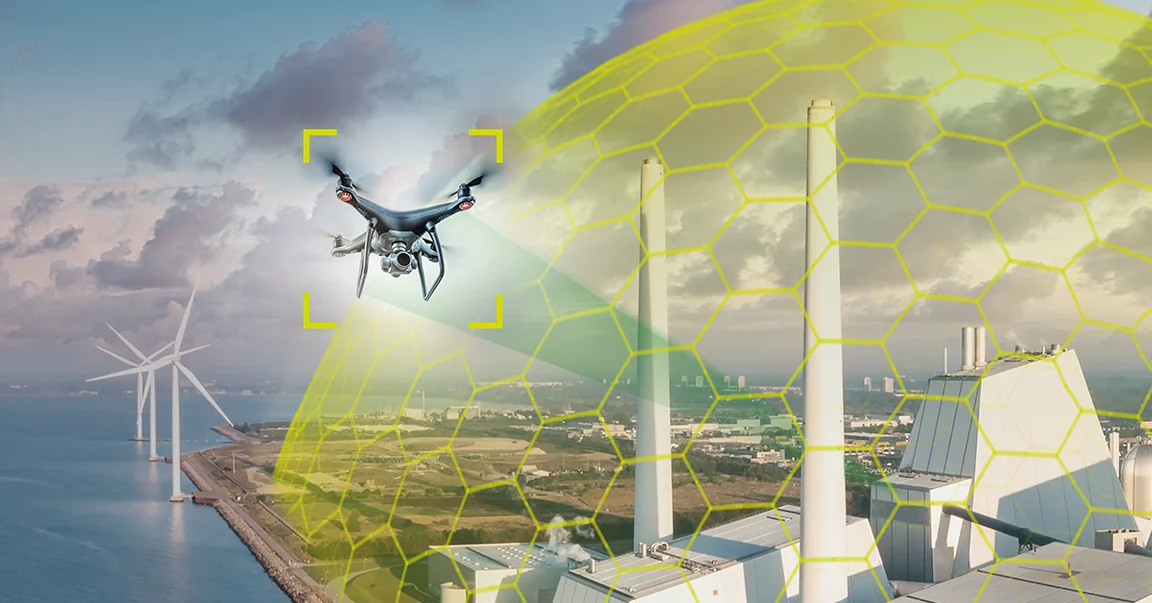
Protected airspace above the site
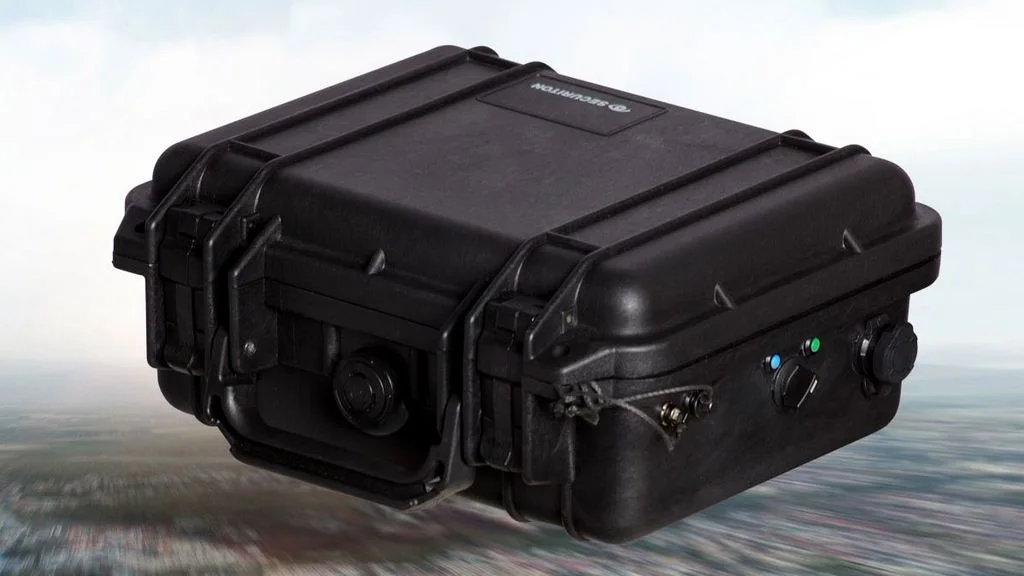
Companion as a portable device
SecuriDrone also includes countermeasure functions such as taking over a drone. These require official authorisation. For companies we plan detection.
What we take on
We start with a site survey: which areas need protection, from where is an approach likely, which technology is already in place? This results in a concept with sensor locations and protection zones. We install the system, integrate it into the control room and video technology and train your staff.
Drone detection complements perimeter protection on the ground. Together they show what is happening at the fence and above it.
Our services
- Site analysis and protection concept
- Sensor planning and coordination of frequency use
- Installation, integration into control room and video technology
- Response plan and staff training
- Maintenance and round-the-clock service hotline
- Technicians with background checks for airports and security-sensitive sites
Standards and certifications
- LuftVO § 21h
- TKG § 91
Manufacturers and systems
- Dedrone
- Securiton
Frequently asked questions
May companies counter drones themselves?
No. Under current law companies are not allowed to jam, take over or destroy a drone. Responsibility lies with the police, at airports and railway facilities with the Federal Police.
Is drone detection permitted for companies?
Yes. The Initiative for Economic Protection expressly recommends that companies install suitable detection systems. Data protection and, for radar, frequency assignment by the Federal Network Agency must be observed.
Does a system detect every drone?
No. Radio sensors do not detect drones without a radio link; radar and cameras need line of sight. That is why several methods are combined.
To whom do I report a drone sighting?
To the local police station, in an emergency via the 110 emergency number. Have time, place, direction of flight and any recordings ready.
How close may a drone fly to a plant site?
A lateral distance of 100 metres applies to industrial plants unless the operator expressly consents. Violations can be punished with a fine of up to 50,000 euros.
More topics
 Barriers, turnstiles & parking systemsVehicle and pedestrian access control for plants and car parks.Learn more
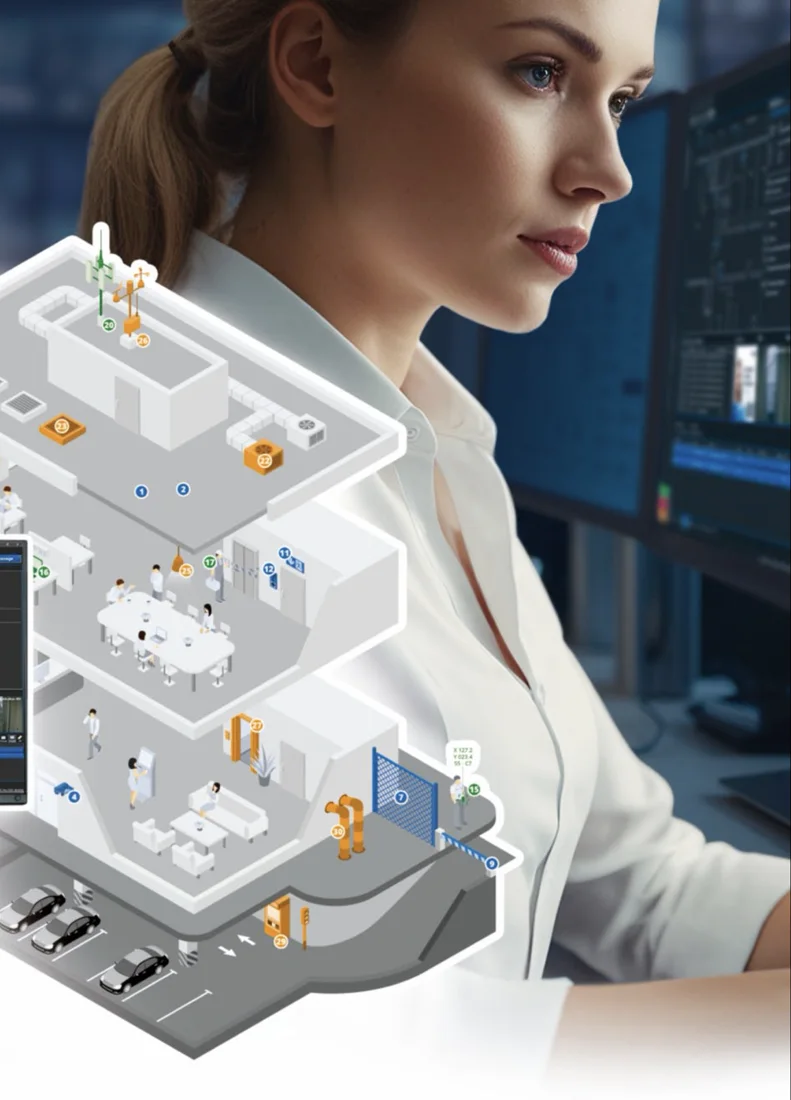 Security management (PSIM)Every system brought together in one control room.Learn more
 Cyber security for security systemsProtecting installed systems in line with NIS2 and ISO 27001.Learn more