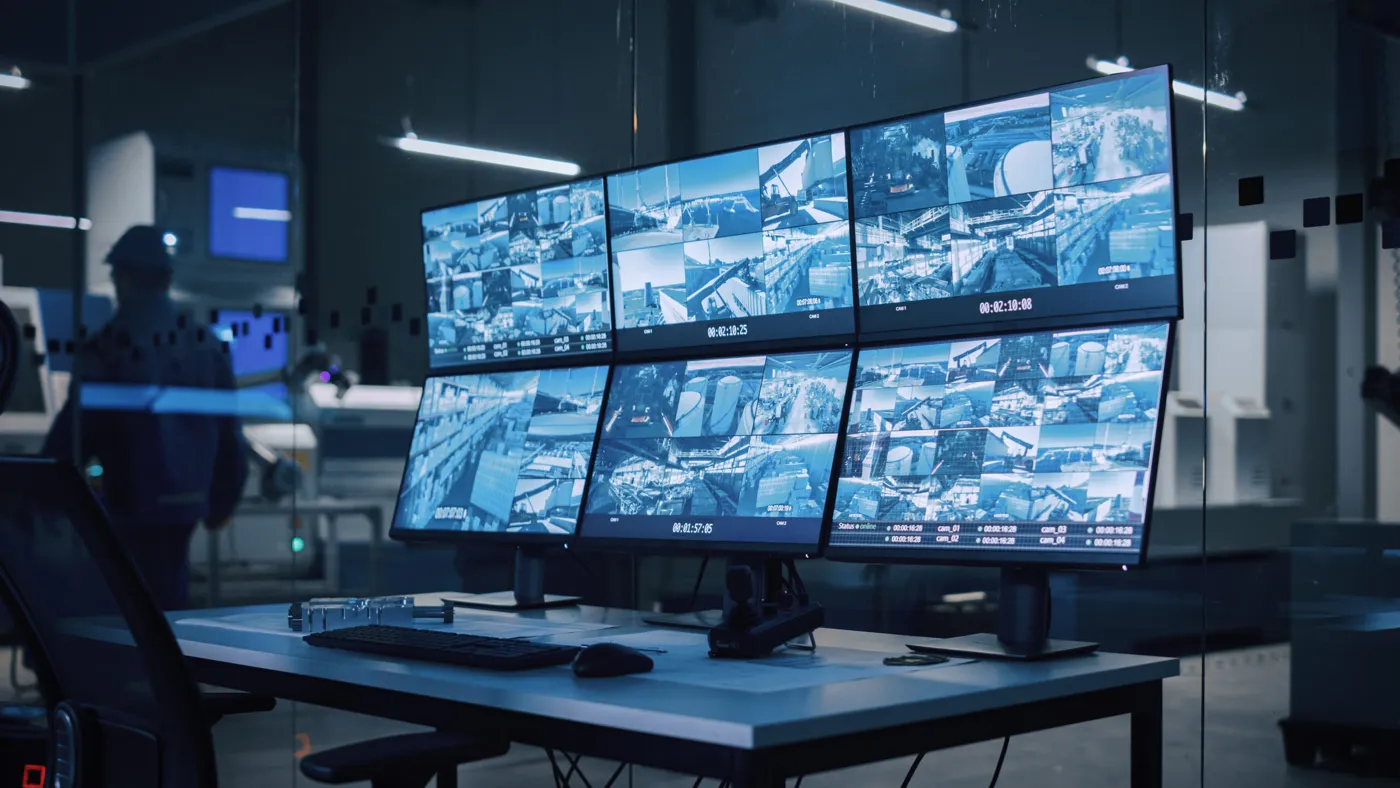


Fire alarm, intruder alarm, access control and video systems must work in an emergency and meet the requirements of standards, the building permit and the insurance contract. This guide shows which maintenance is due when and who is allowed to carry it out.
Why regular maintenance matters
Security systems are technically complex. They often run in the background for years without daily use and still have to work reliably in an emergency. Without maintenance you risk:
- malfunctions or total failures that can endanger lives in an emergency
- false alarms that cause unnecessary costs and loss of trust
- liability risks if required inspections are not carried out
- insurance problems, because many policies only apply where maintenance can be proven
Basis: building law, standards and insurance
Maintenance is generally a duty arising from standards, the building permit and the insurance contract. A statutory duty exists where building law or the building permit requires the system. Added to this are fire protection concepts and individual requirements of the fire brigade.
- DIN 14675: planning, installation, operation and maintenance of fire alarm systems
- DIN VDE 0833-1, -2 and -3: alarm systems in general, fire alarm systems, and intruder and hold-up alarm systems
- DIN EN 62676: video surveillance systems for security applications
- Emergency lighting and standby power: recognised rules of technology and manufacturer specifications
- Occupational safety law: requirements for safe workplaces
- VdS guidelines: VdS 2311 for intruder alarm systems and VdS 2095 for fire alarm systems, particularly for insurance-relevant technology
- Manufacturer specifications, often with specific maintenance recommendations or warranty conditions
Maintenance intervals at a glance
The intervals differ by system type. For fire alarm systems, maintenance covers the function of all detectors and signalling devices, battery capacity and mains supply, the transmission equipment and the updating of route cards, fire brigade plans and detector lists. For intruder alarm systems with a VdS installation certificate, the insurer generally requires proof of maintenance. Where no standard sets an interval, we state our recommendation.
- Fire alarm systems (DIN 14675, DIN VDE 0833-1 and -2): inspection every quarter at roughly equal intervals, maintenance once a year, each by a specialist company. Replace automatic point-type smoke detectors without contamination compensation after 5 years and those with contamination compensation after 8 years, or have them checked at the factory. Recommendation: regular visual check of the control panel by an instructed person
- Intruder alarm systems (DIN VDE 0833-1 and -3, VdS 2311): inspection and maintenance by a specialist company at the intervals set by the standard and the insurance contract, maintenance at least once a year, including tamper contacts, sensors and alarm transmission. Recommendation: regular function test by the operator
- Video surveillance systems (DIN EN 62676, GDPR): maintenance in line with manufacturer specifications and the maintenance contract. Recommendation: regular visual check of image quality and camera positions, technical inspection once a year including storage, network and software, plus a check of signage, access rights and storage period
- Access control (DIN EN 60839-11-1 and -2): maintenance in line with manufacturer specifications and the maintenance contract. Recommendation: regular function check of readers, door openers and mechanical parts by the operator, annual maintenance of hardware, data storage, batteries, network connections and time synchronisation
- Emergency lighting and emergency power systems: testing and maintenance in line with the recognised rules of technology and manufacturer specifications, with regular function tests by the operator and documented recurring inspection
- UPS systems: regular visual inspection and function test, battery check and maintenance in line with manufacturer specifications
Scope of maintenance and qualified companies
Professional maintenance covers visual inspection and cleaning of all components, checking of fixings and environmental influences, electrical measurements, function tests with simulated alarm scenarios, software updates including a backup of the configuration, and a maintenance report listing defects. Safety-critical deviations or defects are followed by repair, in some cases immediately, in others under a separate order.
Different requirements apply to the maintenance company depending on the system. As operator, you are in every case responsible for ensuring that only qualified personnel are used.
- Fire alarm systems: specialist companies certified to DIN 14675
- Intruder alarm systems with a VdS installation certificate: VdS-approved installers
- Video and access systems: technically trained specialists with system experience
- Emergency lighting and UPS: qualified electricians with knowledge of the relevant standards
Practical tips
A few organisational measures help you keep track:
- keep a maintenance calendar, ideally digital and with reminders
- file all inspection reports systematically, for authorities, insurers or audits
- have defects remedied promptly, with written confirmation
- document your own checks, for example the regular visual check of the fire alarm control panel
- conclude a contract with the maintenance company that clearly sets out deadlines, response times and reporting duties