Sectors
Critical infrastructure
Protection concepts for KRITIS operators.
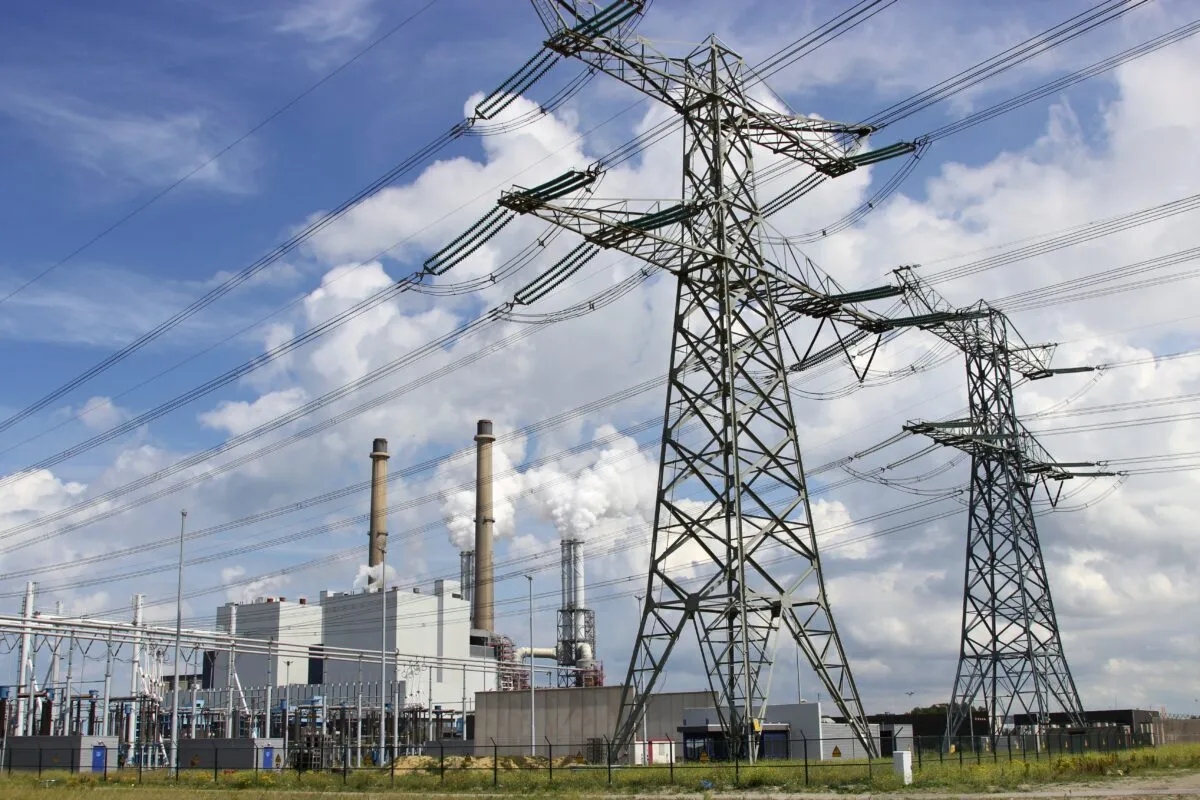
Operators of critical facilities must organise physical protection and cyber security in a verifiable way. We design and install multi-layered protection concepts comprising perimeter, access, video and hazard management and protect the security technology itself against failure and attack.
- Multi-layered protection conceptPerimeter, vehicle entrance, building envelope and inner zones form successive layers of protection with defined response chains.
- Aligned with NIS 2 and the KRITIS umbrella actWe implement the measures that follow from your risk analysis and document them for your evidence.
- WinGuard partner for central GermanyWe integrate existing fire alarm, intruder alarm, video and access systems into hazard management.
- Implementation during operationImplementation takes place in stages according to a migration concept, without interrupting operations.
Protection in four shells
A security concept works from the outside in. Each shell detects earlier and buys time to respond.
1. PerimeterFence, gates, entrances
2. Open groundsVideo, radar, lighting
3. Building shellIntrusion alarm, access
4. Interior zonesAccess zones, fire, asset protection
Legal requirements: NIS 2 and the KRITIS umbrella act
The German NIS 2 implementation act has been in force since 6 December 2025 and has recast the BSI Act. Affected entities must register with the BSI, implement risk management measures and report significant security incidents in stages: an initial report within 24 hours, a follow-up report within 72 hours and a final report after one month at the latest. Management is responsible for implementation.
The KRITIS umbrella act (KRITIS-Dachgesetz) has been in force since 17 March 2026. For the first time it regulates the physical protection and resilience of critical facilities uniformly across Germany. Operators must carry out risk analyses, implement resilience measures, maintain a resilience plan and report incidents. Which facilities are covered in detail is governed by a statutory order.
Please clarify with your legal advisers whether and to what extent your company is affected. We implement the physical and technical measures that follow from your risk analysis and supply the documentation for your regular evidence.
A multi-layered protection concept instead of individual systems
The protection of critical facilities differs from ordinary commercial security in three respects. The disciplines are deeply integrated. The state of the art with redundancies is required. And every measure must be documented and stand up to scrutiny by the authorities.
We therefore plan protection in layers from the outside in. Each layer has a task: detect, delay, verify or respond. An attacker has to overcome each layer individually, and each layer reports separately.
- Perimeter: fence and ground sensors detect approach and climbing
- Vehicle and pedestrian access: barriers, turnstiles and access readers admit only authorised persons
- Building envelope: intruder detection monitors doors, windows and façades
- Inner security zones: separate access permissions for control rooms, plant rooms and server rooms
- Video: every alarm is checked on the live image
- Hazard management: all messages come together in one place with stored actions
Access control, turnstiles and barriers
For critical infrastructure we use the BABYLON access control system from AUTEC. According to the manufacturer it is designed to meet the requirements of the BSI, communicates in encrypted form and stores the data in the secured area. We are a certified OEM partner of AUTEC.
Digital access control works contactlessly with current encrypted transponder technologies such as MIFARE DESFire and covers outdoor and indoor areas with one system. It can be connected to visitor management and to badge offices.
For vehicle entrances and pedestrian access we supply turnstiles and barriers. Depending on the model, barriers are available in various boom lengths, from the car park barrier to the heavy-duty gate barrier for wide entrances. In addition there are modular pedestals for card readers and intercom stations, which we match to your application.
- Readers for barriers, turnstiles and entrance doors
- Readers and fittings suitable for industrial use
- Long-range readers for vehicle entrances
- Digital locking cylinders and electronic door fittings
- Digital padlocks and electronic locker locks
Perimeter and fence protection linked to video
We design, engineer, install and commission fence protection systems, including retrofits on existing fences and the monitoring of wall tops. The sensors report the zone of the fence in which an alarm was triggered. Depending on the model, one processing unit monitors fence lengths from several hundred metres to many kilometres.
Sensors buried in the ground provide detection in the approach area and protect pipelines and routes. They work covertly and report digging, heavy vehicles and people in the protected area.
No outdoor detection works entirely without false alarms. We therefore link the sensors to the video system so that every alarm can be checked on the live image before anyone is sent out. Mobile video towers are available for construction sites and expansion areas on the premises.
Hazard management (PSIM) as a shared interface
The WinGuard hazard management system from Advancis brings existing and new systems together on one interface. The platform is vendor-neutral and offers interfaces to a wide range of system types in fire detection, intruder detection, perimeter protection, video and access control. We clarify in an initial survey which of your systems can be connected.
We are the WinGuard partner for central Germany. During installation we integrate the existing technology, display the systems on floor plans, set up alarm and event messages and define forwarding rules and actions. Commissioning and training for your staff are included.
The system runs on workstations with several monitors, can be connected to video walls and can be used on a tablet or smartphone. All messages and entries are logged.
- Integration of existing fire alarm systems
- Visualisation and control of access control points
- Connection of intruder alarm systems
- Linking of live video images to events
- Logging and a ticket system for actions
Resilience of the security technology: redundancy, cyber protection and evidence
Access control, video, intruder detection and fire detection are networked IT systems. If servers or the network fail or are attacked, physical protection is directly affected. We therefore plan for redundancy: emergency power supply, redundant servers in hot standby and separate transmission paths, depending on the protection requirement.
With our managed security service we protect the security infrastructure itself. The security technology is given its own isolated network segments. We coordinate firewalls and VPN access with your IT department.
We document maintenance, faults and changes on an ongoing basis. You can use these records for your regular evidence. We define the scope of service and response times in the maintenance contract. Our emergency service line can be reached around the clock for faults.
- Backup management for the security technology systems
- Continuous monitoring of hardware and software with automatic alerting
- Encrypted VPN connection of the properties, including for remote service
- Anomaly detection in the early phase of an attack
Standards and certifications
- NIS-2-Umsetzungsgesetz
- KRITIS-Dachgesetz
- BSI-Gesetz
Manufacturers and systems
- Advancis
- AUTEC
Frequently asked questions
What distinguishes security technology for critical infrastructure from ordinary commercial security?
First, the depth of integration: perimeter, access, video and hazard management work as one system with defined response chains. Second, the required state of the art with redundancies and components that, according to the manufacturers, are designed to meet the requirements of the BSI. Third, the obligation to provide evidence to the authorities.
What does the KRITIS umbrella act require for physical protection?
It regulates the physical protection and resilience of critical facilities uniformly across Germany. Operators must carry out risk analyses, implement resilience measures, maintain a resilience plan and report incidents. Details are governed by a statutory order.
Do all security disciplines have to come from one supplier?
No, but they have to work together. We either supply all disciplines from a single source or integrate existing third-party systems into a shared architecture via hazard management. On request we combine maintenance and documentation in one contract.
Can protection for critical infrastructure be built up during operation?
Yes. Implementation takes place in stages according to a migration concept, so that supply and operations are not interrupted. Existing systems continue to run until their successors are in productive use.