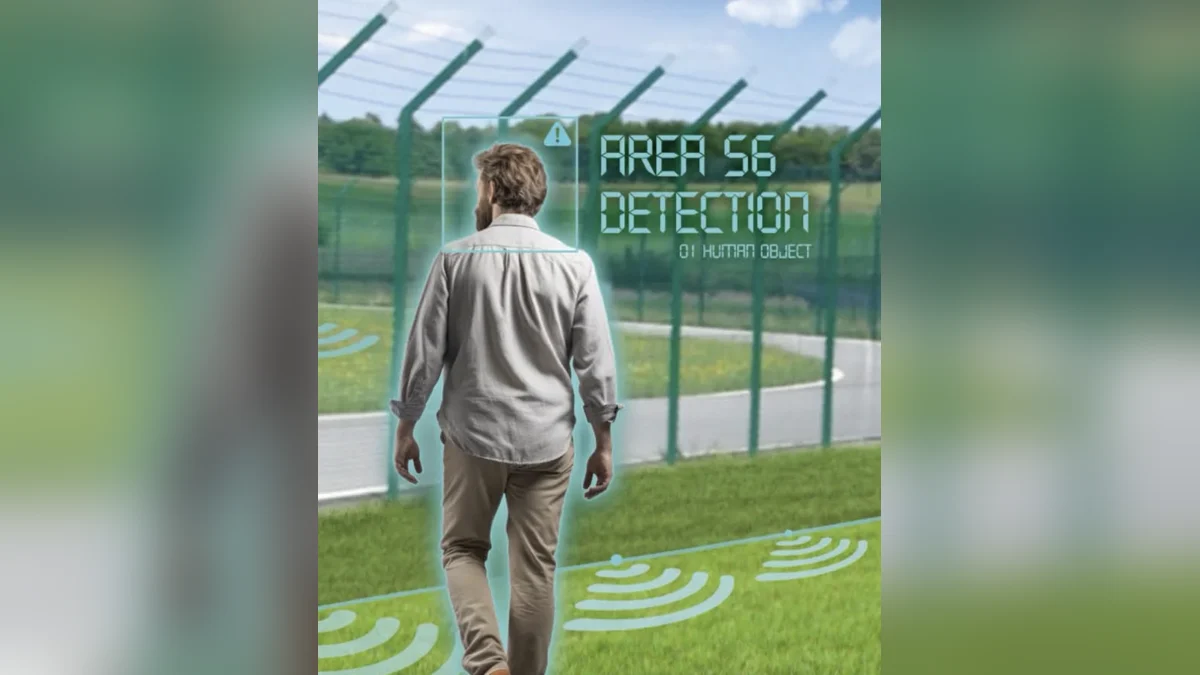
For AEO-S status a company must demonstrate appropriate security standards to customs. Cameras or alarm systems are not mandatory. But customs expects unauthorised entry to be prevented, detected and responded to.
- Competent authority
- Main customs office at the place of the main accounts for customs purposes
- Legal basis
- Art. 38 and 39 Union Customs Code, Art. 28 UCC-IA
- Customs fee
- none
- Decision period
- 120 days after acceptance of the application
What is AEO status?
AEO stands for Authorised Economic Operator. There are two authorisations: AEO-C for customs simplifications and AEO-S for security. They can be combined. Security technology is only relevant for AEO-S.
The status is voluntary, valid in all EU Member States and unlimited in time. German customs charges no fee for the authorisation. External assessors or certificates are not required. In December 2024 there were 18,437 valid authorisations in the EU.
What does the law require?
Article 28 of the implementing regulation to the Union Customs Code sets out the requirements without prescribing a single technology:
- Buildings are protected against unlawful intrusion and are constructed of materials that resist unlawful entry.
- Unauthorised access to offices, shipping areas, loading docks, cargo areas and other relevant places is prevented by appropriate measures.
- Goods are protected against unauthorised introduction, exchange and tampering.
- There are security procedures for business partners and external service providers.
- Staff in security-sensitive positions are screened and trained regularly.
- A contact person for security matters has been appointed.
Are video surveillance and an alarm system mandatory?
No. Neither the Customs Code nor the implementing regulation mentions cameras, alarm systems, fence heights or standards. In the EU guidelines and in the German customs questionnaire they appear throughout as examples.
The guidelines do, however, describe the goal in three steps: delay and deter intruders, detect intrusion quickly and respond fast. As examples they name locking devices on windows, gates and fences, intruder alarm systems or CCTV, and transmission of the alarm to a responsible person or a security company.
Two statements from the guidelines matter for planning. First: a CCTV system that records but is not monitored may not be sufficient for AEO-S. Second: cameras are only useful if the recordings can be evaluated and allow a timely response.
What exactly does customs ask?
A new questionnaire has applied in Germany since 1 June 2026. Part VI deals with security. Among other things customs wants to know:
- How are the premises secured externally, for example by fence, cameras, motion sensors, alarm systems or guards?
- Is the condition of fences, security equipment and buildings checked regularly, by whom and at what intervals?
- Which vehicle and pedestrian entrances are there, and how are they monitored?
- Are entry to and exit from the premises logged?
- How is lighting arranged?
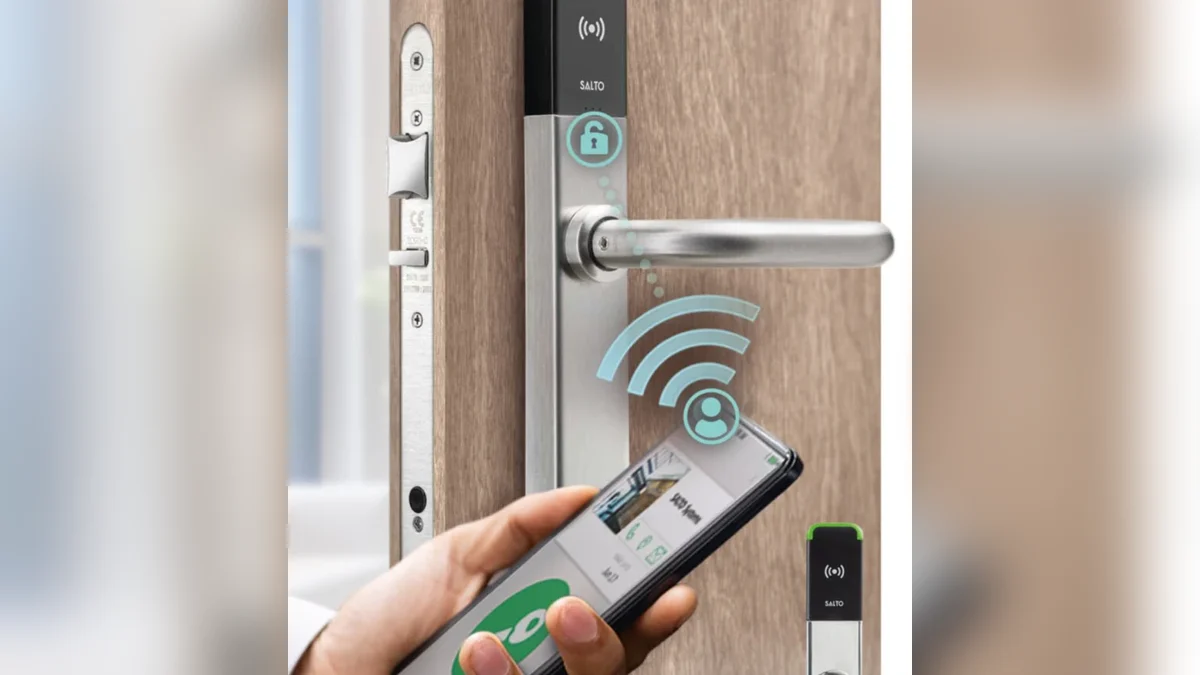
- How is the management of keys, access cards and tokens organised?
- Are there graded access rights, and is technical equipment used for this?
- How are visitors, fitters and contractors identified and escorted?
Is there a minimum technical standard?
No. Customs assesses each site individually according to its risk. Location matters: if goods are stored outdoors or the building wall does not form the outer boundary, fence, gates and lighting may be essential. For rented space in a logistics park without outdoor storage, a separate fence may be unnecessary.
Minor weaknesses in one area can be offset by strengths in another. Expectations are adapted for small companies: where a large manufacturer needs a fence, guards and CCTV, good locks on doors, windows and filing cabinets may be enough in small offices.
Storage under open halls, carports and shelters also counts as outdoor storage. According to customs, suitable measures must be ensured there, such as access protection, sufficient lighting or camera surveillance.
Which documents should be ready?
Customs inspects every customs-relevant site on the spot. The following documents should be complete and up to date:
- Site plan for each location showing boundaries, access roads, buildings and all access points
- Instructions on access, vehicles, keys, visitors and the procedure in the event of unauthorised entry
- Records of inspection and maintenance of fences, security equipment and locking devices
- Logs of vehicle entries and exits and of key issue
- Records of annual security briefings and of screening against terrorism lists
- Contracts with guard services and other providers, and records of security incidents
What applies after authorisation?
The status is monitored continuously. For AEO-S the guidelines recommend an on-site check at least every three years. You must notify the main customs office of changes without delay. These include new buildings, changed security measures for access to offices, shipping areas and loading docks, and serious incidents such as a break-in.
If the conditions are no longer met, customs can suspend or revoke the authorisation. If the deficiency concerns security only, AEO-C remains in place in the case of a combined authorisation.
Are other certificates recognised?
Yes, in part. For sites approved as a known consignor or regulated agent, the security standards are in principle deemed to be met, but only for outgoing goods. Customs takes security certificates under ISO standards into account in so far as they cover the same requirements. The guidelines also mention TAPA.
Important: according to German customs, the background check under the Aviation Security Act does not replace screening against terrorism lists.
What are the benefits of AEO-S?
Consignments are physically examined less often and documents checked less often. If a consignment is selected for control, the AEO-S is told in advance and the control is given priority. Through mutual recognition agreements, benefits also apply in third countries. German customs names Switzerland, Norway, Japan, the USA, China, the United Kingdom, the Republic of Moldova and Canada.
How RUTTE supports you
We survey your site and plan the technology along the questions customs asks: fence protection and vehicle access control with logging, access control with graded rights and visitor management, intrusion detection with remote monitoring, and video surveillance that is actually evaluated. We document maintenance so that you have the records for customs to hand.
This article gives an overview based on the Union Customs Code, the European Commission's AEO Guidelines and the publications of German customs, as of November 2026. It does not replace legal advice. The assessment of your main customs office is decisive.