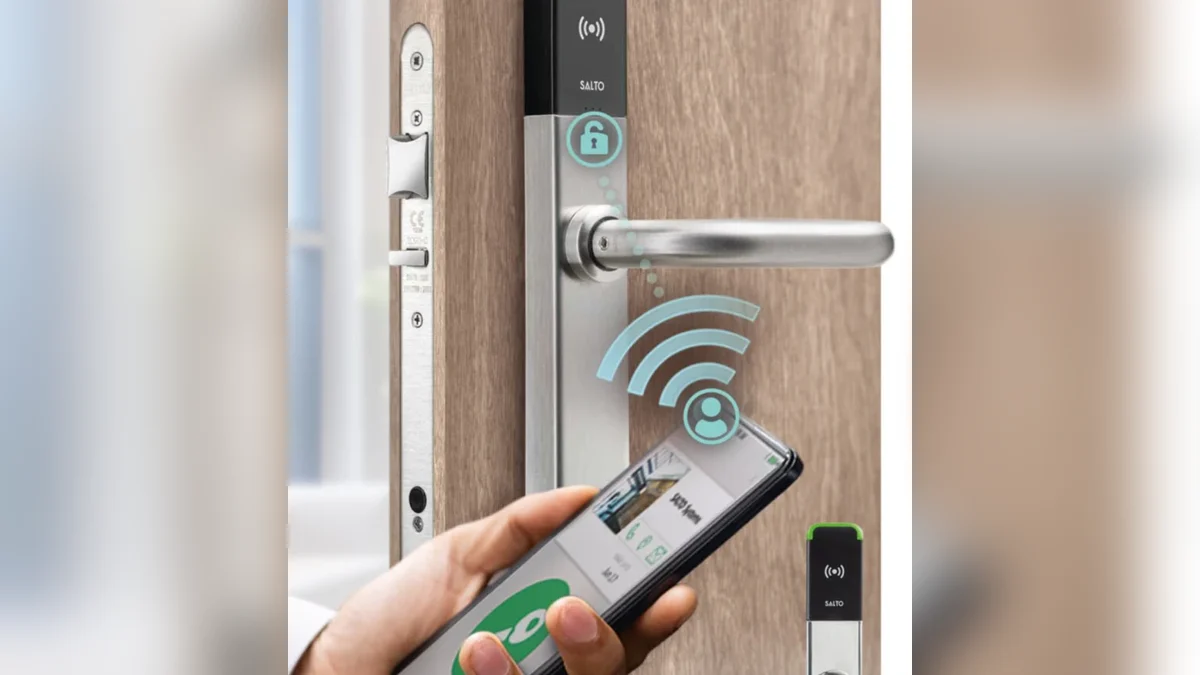
Anyone shipping air cargo as a known consignor must secure their site so that no one can reach the consignments without authorisation. The law does not prescribe any particular technology. What counts is whether the measures work together.
- Competent authority
- Luftfahrt-Bundesamt (LBA)
- Legal basis
- Regulation (EU) 2015/1998 chapter 6, section 9a Aviation Security Act
- Validity
- max. 5 years per site
- Approved sites
- 1,040 (end of 2025)
What does known consignor status mean?
In principle, all air cargo must be screened before it is loaded onto an aircraft. An exception applies to consignments from a secure supply chain: a known consignor secures its own goods at the place of production and packing. They then count as secure and do not have to be screened again at the airport.
The status is voluntary. Without it the cargo counts as unsecured and is screened by a regulated agent or the airline. The German Federal Aviation Office (LBA) points out that these checks take time, may be charged for and may require the consignment to be opened.
Approval is always granted for the individual site, not for the company. At the end of 2025, 1,040 sites in Germany were approved as known consignors.
Is specific security technology mandatory?
No. Implementing Regulation (EU) 2015/1998 sets a protection goal: security at the site must be sufficient to protect identifiable air cargo from unauthorised interference during production, packing, storage, dispatch and transport. Neither the regulation nor the LBA names standards such as VdS or DIN.
You describe how you achieve the goal in your own security programme. During on-site validation the authority checks whether the measures described exist and are effective. What the programme says must therefore work in everyday operation.
What does the authority check for physical security?
In the part on physical security, the regulation's checklist asks among other things:
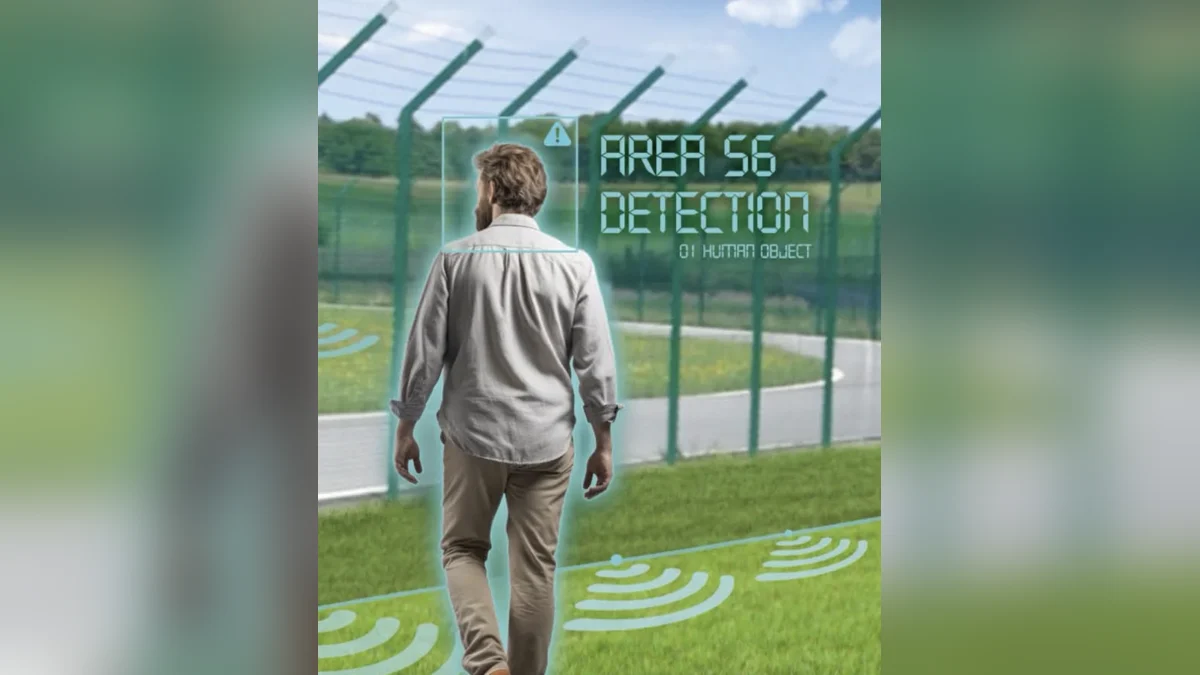
- Is the site protected by a fence or barrier?
- Are all access points subject to access control, and is it staffed, manual, automatic or electronic?
- Is the building of sound construction?
- Does the building have an effective alarm system?
- Does it have an effective CCTV system, and are the images recorded?
- Are all doors, windows and other points of access to air cargo secure or subject to access control?
What causes an approval to fail?
The individual questions on fence, alarm system and cameras do not in themselves lead to failure. What is decisive is the overall question at the end: are the measures sufficient to prevent unauthorised access to those parts of the site where air cargo is processed or stored? A no here necessarily means a fail.
There are similar overall assessments for production, packing, storage and dispatch. In practice, a missing alarm system can be compensated for by other measures; an open access route to the storage area cannot.
Who may enter the areas containing air cargo?
Unsupervised access is permitted only for people who have passed the background check under the German Aviation Security Act and have been trained. This also applies to external staff such as tradespeople, cleaners or security guards. Everyone else must be escorted at all times by trained staff.
This leads to requirements for the access system:
- Authorisations must be assignable individually and revocable immediately, for example if a background check turns out negative.
- Anyone who issues keys, cards or transponders for these areas counts as security-relevant and needs the training themselves.
- For storage the authority names lockable metal cages or lockable rooms as examples.
- Information is protected too: anyone who can tell which consignment will be shipped as air cargo already has access within the meaning of the rules.
What role do alarm and video play in the security programme?
The LBA's template security programme asks whether there is an alarm system and where it reports to, whether there is video surveillance, where the images are monitored and how long they are kept, and whether a guard service patrols. None is also a permitted answer.
If you state alarm and video, both must be shown to work at every inspection. Regular maintenance with a record is the simplest proof. The programme also includes building plans showing the areas relevant to aviation security.
How does approval work, and what does it cost?
You apply to the LBA, submit the security programme and appoint a security officer, who must be vetted and trained. The authority then inspects the site. Any findings must be remedied before approval.
Approval is valid for a maximum of five years. The authority also carries out unannounced inspections; in 2025 there were 955 monitoring activities at known consignors.
- Granting of approval: 427.00 euros per site
- Validation: 409.50 euros, plus the on-site inspection at 18.38 euros per quarter-hour started and auditor
- Approval of changes: 382.50 euros
- Costs for training and background checks are added.
What should be considered when making alterations?
Changes to the areas relevant to aviation security must be approved in advance, usually with an on-site appointment. This also covers alterations to access, fence or storage cage. Plan the coordination with the authority before the technology is changed.
Where there are justified doubts, the authority must suspend or withdraw the approval. The cargo then counts as unsecured again and is screened.
How does the status relate to the customs AEO?
The two procedures partly recognise each other. If customs has examined the site for the AEO-S authorisation and this examination is not more than three years old at the time of application, it counts as the on-site verification. Conversely, for known consignors customs regards the security standards for the approved premises as met, but in principle only for outgoing goods.
Nothing is automatic: the security programme, security officer, background checks and training remain necessary even with AEO.
How RUTTE supports you
We plan and install the technology that carries your security programme: access control with individually revocable authorisations, secured storage areas, intrusion detection with remote monitoring, video surveillance with defined retention and fence protection. Our technicians hold the background check under the Aviation Security Act and already work in the air-cargo environment at Leipzig/Halle Airport.
This article gives an overview based on the publications of the German Federal Aviation Office and Regulation (EU) 2015/1998, as of November 2026. It does not replace legal advice. The authority's requirements for your site are decisive.