
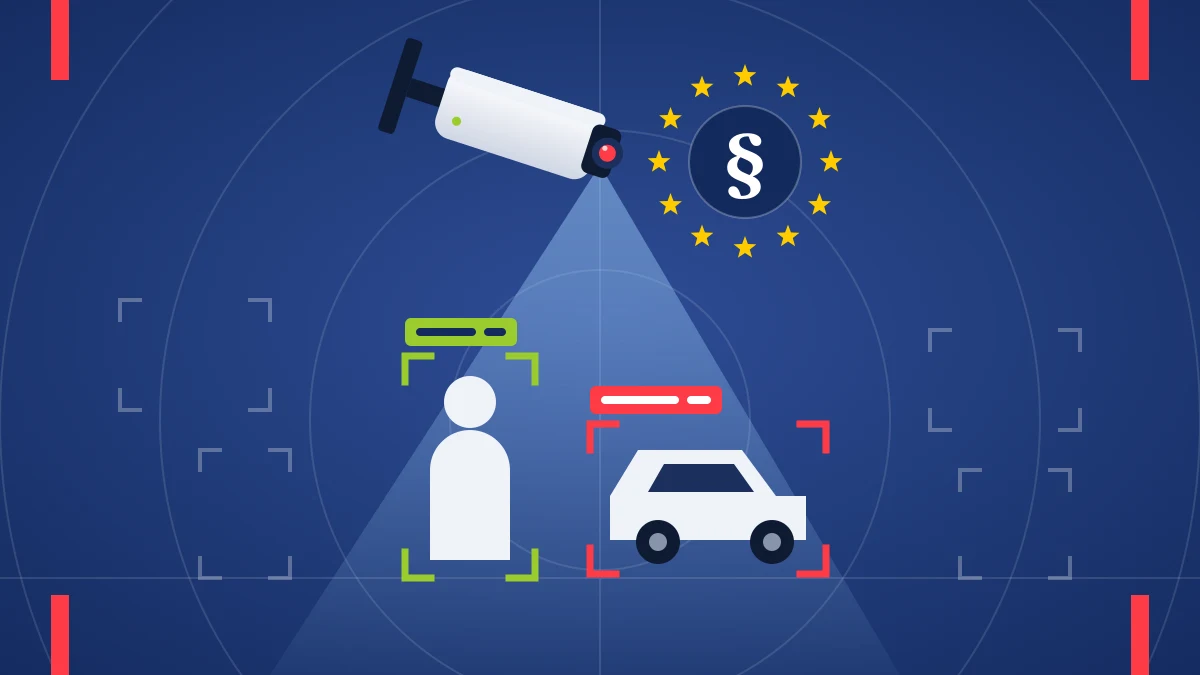
The EU AI Act also applies to video analytics in security systems. Ordinary object and person detection is barely affected, while strict rules apply to face and emotion recognition. In summer 2026 the EU postponed the high-risk obligations to December 2027.
- Prohibitions
- apply since 2 February 2025
- Transparency obligations
- apply since 2 August 2026
- High-risk under Annex III
- from 2 December 2027
- Supervision in Germany
- Bundesnetzagentur
How the regulation classifies AI systems
Regulation (EU) 2024/1689 governs artificial intelligence according to the risk an application poses. The higher the risk to safety and fundamental rights, the stricter the requirements. For your company the role of deployer is the decisive one: the deployer is whoever uses an AI system under its own authority. The provider is the manufacturer that places it on the market. Most obligations fall on the provider, but some fall on you.
Whether video analytics come under the regulation at all, and at which level, depends on the intended purpose defined by the manufacturer and on how you use the function.
- Prohibited practices: must not be used at all
- High-risk systems: permitted, but with extensive obligations for providers and deployers
- Systems with transparency obligations: the people affected must be informed
- All other systems: no specific obligations under the AI Act, other laws continue to apply
Where ordinary video analytics stand
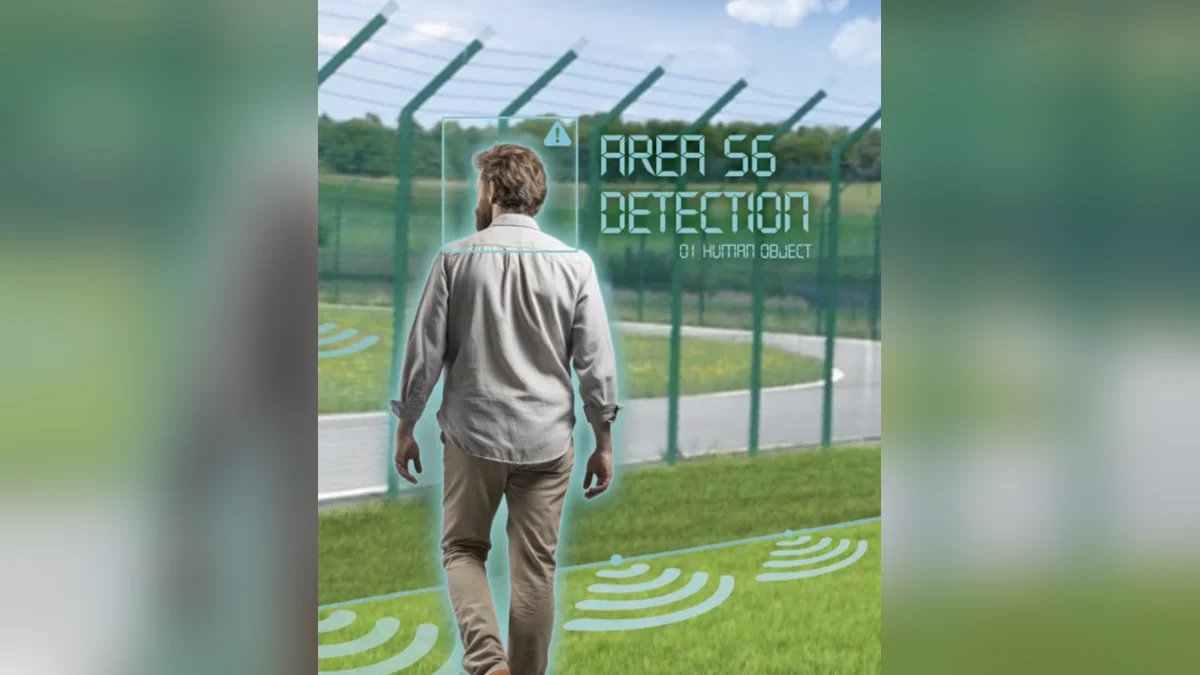
The analytics functions most often used in security systems detect objects and events. They do not establish who a person is. Such functions are not in the list of high-risk uses in Annex III of the regulation and are therefore not usually high-risk systems.
Operators of critical infrastructure should look more closely. Annex III lists AI systems used as safety components in the management and operation of critical digital infrastructure, road traffic or the supply of water, gas, heating and electricity. Whether video analytics fall under this depends on the individual case and should be clarified with the manufacturer.
The General Data Protection Regulation continues to apply regardless of the AI Act. Analytics that are not a high-risk system still process images of people and need a legal basis, signage and clear deletion periods.
- Detecting and distinguishing people, vehicles and objects
- Line crossing, area monitoring and detection at the fence
- Licence plate recognition at entrances and barriers
- Counting people and vehicles, detecting smoke or abandoned objects
Biometrics: where the rules become strict
As soon as a system recognises or assesses people by physical characteristics, the regulation bites much harder. Some uses have been prohibited since 2 February 2025, others count as high-risk systems.
One important exception concerns access control. Biometric verification, where a system only confirms that a person is who they claim to be, is not a high-risk system. The recitals of the regulation expressly mention secure access to premises. An access reader with face recognition at which authorised people actively identify themselves is therefore different from a camera that compares passers-by with a database without their involvement. Biometric data are still subject to the strict requirements of the General Data Protection Regulation, and consent is usually needed.
- Prohibited: emotion recognition in the workplace, except for medical or safety reasons
- Prohibited: building face databases through untargeted scraping of images from the internet or from CCTV footage
- Prohibited: biometric categorisation of people by sensitive characteristics such as origin, religion or political opinion
- High-risk: remote biometric identification, meaning comparison with a database without the person's involvement
- High-risk: emotion recognition and biometric categorisation, where they are permitted at all
Obligations and deadlines
The regulation applies in stages. With the Digital Omnibus on AI, the EU postponed the obligations for high-risk systems in summer 2026 because standards and guidelines were not yet available. They were originally due to apply from 2 August 2026. The other stages are in force unchanged.
Anyone operating a high-risk system must use it in line with the manufacturer's instructions, ensure human oversight by trained people, monitor operation and report incidents. Automatically generated logs must be kept for at least six months. Before use in the workplace, the workers' representatives and the employees affected must be informed.
Breaches of the prohibitions can lead to fines of up to 35 million euros or 7 per cent of worldwide annual turnover, breaches of deployer and transparency obligations to fines of up to 15 million euros or 3 per cent. For small and medium-sized companies the lower figure applies. Since 29 July 2026 the market surveillance authority in Germany has been the Federal Network Agency (Bundesnetzagentur). Its AI service desk offers an online tool for an initial assessment of the risk class.
- Since 2 February 2025: prohibitions apply. Deployers must support the AI literacy of their staff
- Since 2 August 2026: transparency obligations. Anyone using emotion recognition or biometric categorisation must inform the people affected
- From 2 December 2027: obligations for high-risk systems under Annex III, including biometrics and critical infrastructure
- From 2 August 2028: obligations for AI in products already covered by EU product legislation
- By 2 August 2030: deadline for high-risk systems intended for use by public authorities
What you should do now
The postponement buys time, but changes nothing about the prohibitions and transparency obligations that already apply. Classifying your system now avoids time pressure in 2027.
This article reflects the position in November 2026 and is not legal advice. We show you which analytics functions are active in your video system and obtain the manufacturers' information.
- Take stock: which analytics functions are active in cameras, recorders and software?
- Obtain the manufacturer's information on the intended purpose and classification of the functions
- Review biometric functions and switch them off if they are not needed
- Train the staff who operate the system and assess alarms
- Update data protection documents and involve the works council
- Reassess after extensions and software updates whether the classification changes